
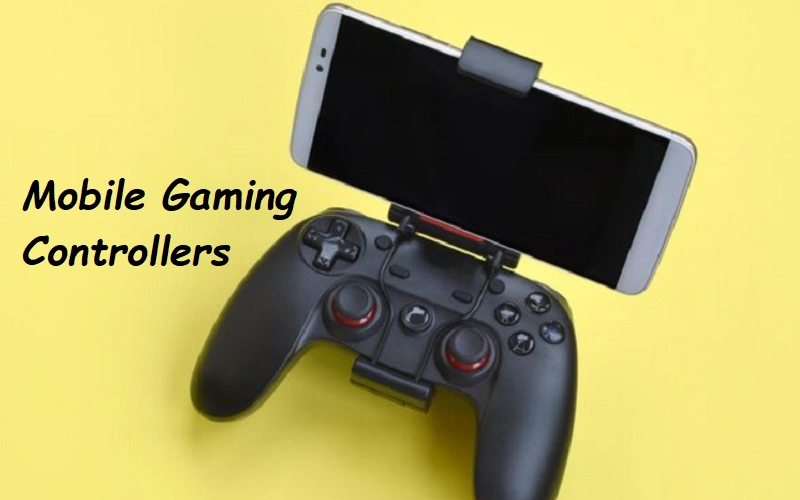
Mobile gaming has grown from a simple way to pass the time into a serious form of entertainment enjoyed by millions around the world. As smartphones became more powerful, games also became more detailed, faster, and more demanding. What once involved tapping a screen to move a character now includes complex controls, quick reactions, and precise movements. This shift created a clear gap between what touchscreens could offer and what gamers actually needed. The mobile gaming controller emerged as a response to this gap, changing how people play games on their phones.
Today, mobile games are no longer limited to casual puzzles or short sessions. Many players spend hours competing online, exploring open worlds, or taking part in ranked matches. As games became closer in quality to console titles, players began looking for better control methods. This demand pushed mobile gaming controllers into the spotlight, turning them into an essential accessory for many serious mobile gamers.
Why Touch Controls Were No Longer Enough
Touchscreen controls are convenient, but they come with limitations. Fingers can block the screen, touch areas can feel imprecise, and long sessions can cause discomfort. During intense gameplay, especially in action or shooting games, touch controls often fail to deliver the speed and accuracy players want. Missed taps or delayed responses can make the difference between winning and losing.
Mobile gaming controllers solve many of these problems by providing physical buttons and joysticks. These inputs offer clear feedback and consistent placement, helping players react faster and play with more confidence. Instead of guessing where to tap, gamers can rely on muscle memory, which improves performance over time. This is one of the main reasons controllers have become popular among competitive mobile players.
The Rise of Competitive Mobile Games
Competitive mobile games played a major role in the growth of mobile gaming controllers. Games that require fast reflexes and precise aim exposed the weaknesses of touchscreen input. Players who wanted to improve their rankings or compete seriously started looking for tools that could give them better control.
As esports-style tournaments and online rankings became common in mobile gaming, controllers gained even more attention. Using a controller often feels closer to playing on a console, which many gamers are already familiar with. This familiarity makes the transition easier for players moving from console or PC gaming to mobile platforms.
Designing Controllers for Comfort and Control
Modern mobile gaming controllers are designed with comfort in mind. Long gaming sessions demand a shape that fits naturally in the hands and reduces strain. Controllers usually include grips that support the palms and fingers, making extended play more comfortable than holding a phone alone.
The placement of buttons and joysticks is carefully planned to allow quick access without awkward hand movements. This design helps players stay focused on the game rather than adjusting their grip. Over time, this comfort becomes just as important as performance, especially for gamers who play daily.
Different Styles for Different Players
Mobile gaming controllers come in various designs to suit different preferences. Some models attach directly to the phone, turning it into a handheld gaming device. This design appeals to players who value portability and want an all-in-one gaming solution. Other controllers resemble traditional console controllers and connect wirelessly, offering a familiar feel for those used to console gaming.
This variety allows gamers to choose a controller that matches their lifestyle. Whether someone prefers gaming at home or on the move, there is a controller that fits their needs. This flexibility has helped mobile gaming controllers reach a wider audience.
Connectivity and Device Compatibility
Ease of connection is a key reason why mobile gaming controllers are widely adopted. Most controllers use wireless connections, allowing them to pair quickly with smartphones. This simple setup makes it easy for players to switch between touch controls and physical input without hassle.
Compatibility also plays an important role. Many controllers are designed to work across different operating systems, making them useful for players who own multiple devices. Some controllers even work with tablets or computers, adding more value for gamers who enjoy playing on different platforms.
Low input delay is another important factor. Modern wireless technology ensures that button presses register quickly, which is crucial during competitive matches. A responsive controller helps players feel connected to the game, reducing frustration and improving overall enjoyment.
How Controllers Improve Gameplay Performance
Using a mobile gaming controller can significantly change how a game feels. Physical joysticks allow smoother movement, while triggers and buttons make actions more precise. This improvement is especially noticeable in shooting and racing games, where accuracy and timing matter most.
Controllers also help players react faster. Instead of sliding fingers across a screen, players can press buttons instantly. Over time, this leads to better control and higher confidence during gameplay. Many players find that they perform better and enjoy games more once they switch to a controller.
The Role of Feedback in Immersion
Physical feedback adds another layer to the gaming experience. Some mobile gaming controllers include vibration features that respond to in-game actions. Feeling a subtle vibration during certain moments makes gameplay feel more real and engaging.
This feedback helps players stay immersed in the game world. Instead of relying only on visuals and sound, they also receive physical cues. This combination creates a more complete and satisfying gaming experience, even on a small screen.
Personalisation and Player Identity
Customisation has become an important part of modern gaming, and mobile gaming controllers are no exception. Many controllers allow players to adjust settings to match their play style. Sensitivity options and button mapping help players fine-tune controls for different games.
Visual customisation also plays a role. Controllers are available in different colours and designs, allowing players to choose something that reflects their personality. This personal connection makes the controller feel like an extension of the player rather than just an accessory.
Practical Challenges Gamers Should Consider
Despite their benefits, mobile gaming controllers come with a few challenges. Battery life is one concern, especially for players who enjoy long sessions. A controller that needs frequent charging can interrupt gameplay and reduce convenience.
Portability is another factor. Some controllers are larger and less suitable for travel, which may not appeal to gamers who play mostly on the go. Players need to balance comfort and size based on how and where they usually play.
Cost can also influence decisions. While entry-level controllers are affordable, advanced models with extra features can be more expensive. Gamers must decide whether the improvement in gameplay justifies the investment.
The Future of Mobile Gaming Controllers
The future of mobile gaming controllers looks promising as technology continues to improve. Developers are exploring new ways to make controllers more responsive and immersive. Advanced feedback systems and smarter software may soon become standard features.
As mobile games continue to grow in quality and popularity, controllers will likely become even more common. They help bridge the gap between mobile gaming and traditional console experiences, making smartphones a serious gaming platform.
Why Mobile Gaming Controllers Matter Today
Mobile gaming controllers represent an important step in the evolution of smartphone gaming. They address the limits of touch controls and offer players a better way to interact with complex games. By improving comfort, accuracy, and immersion, controllers allow mobile gamers to enjoy experiences that were once only possible on consoles or PCs.
As mobile gaming continues to evolve, these controllers will remain a key part of the experience. They reflect how far mobile gaming has come and hint at where it is heading next. For many players, a mobile gaming controller is no longer optional but an essential tool that transforms how games are played and enjoyed.